Custom Chemical Formulation & Formula Transfer
Turn a Product Idea into a Manufacturable Formula
A brand may know the product it wants to sell long before it knows exactly how to make it. Custom formulation connects the market idea to manufacturing by defining the performance target, intended use, product characteristics, ingredient considerations, package and cost goals before the product is scaled into production.
We support non-food brands that need a new formula, want to refine an existing formula, or need help translating a small-scale product into a repeatable manufacturing process.
Start with a Clear Product Brief
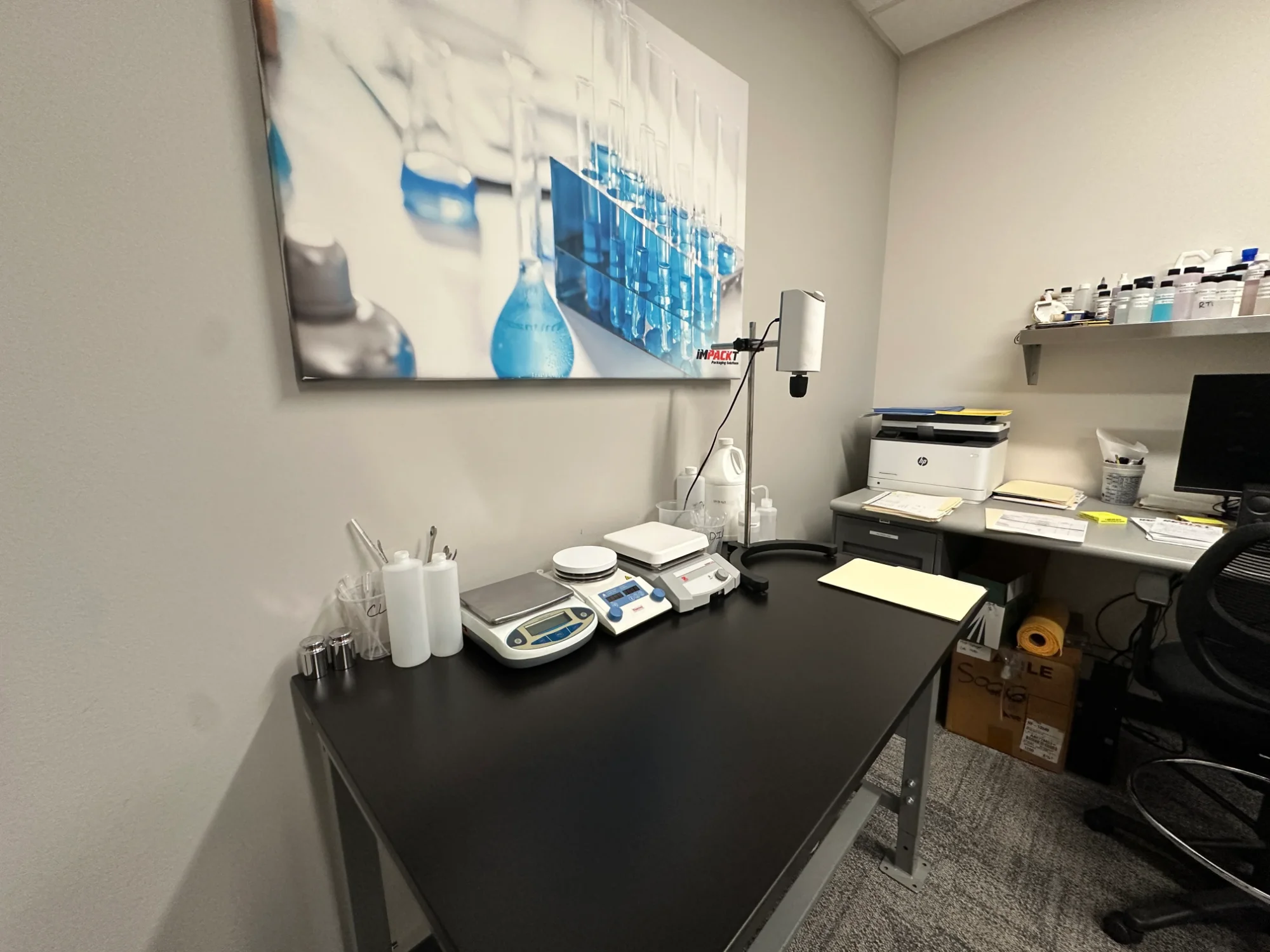
The better the brief, the more productive the development process. Before formulation begins, the team needs to understand what the product is meant to do, who will use it, where it will be used, preferred product characteristics, package format, target cost and any claims or regulatory requirements the brand expects to pursue.
The brief should also separate must-have requirements from preferences. That gives the formulator room to solve the actual problem instead of chasing conflicting targets.
New Formula or Existing Formula Improvement
Not every project starts from zero. Some brands already have a formula but want to improve cleaning performance, user experience, cost, stability, appearance, fragrance or manufacturing practicality. Others have a benchmark product and need an original formula designed around their own requirements.
We evaluate the objective and define a development path. That is a more honest promise than an exact performance match before the formulation work is complete.

Sampling and Refinement
A custom formula normally moves through sample review before full production. The customer evaluates the product against the agreed brief and provides feedback. Adjustments are made before the formula is approved for scale-up.
The number of rounds depends on the product and how clearly the target is defined. That is why the brief matters as much as the bench work.
Design for Manufacturing, Not Just the Lab
A formula that works in a small sample still has to work at production scale. Ingredient order, mixing conditions, batch size, water system, packaging compatibility and raw-material availability can all affect commercialization.
Because Impackt also blends and fills, formulation decisions are considered together with the production process. That connection is one of the strongest reasons to formulate with the manufacturer that will ultimately produce the product.
Formula Confidentiality and Ownership
Customer formulas are treated as confidential, and we are willing to sign nondisclosure agreements. Formula ownership depends on the project and the development agreement, so the policy is stated in the proposal and in any NDA or development documents rather than assumed from a web page.
Packaging Compatibility
The formula and the package are part of the same product. A strong development process considers whether the intended bottle, closure, sprayer, pump, seal or other package is appropriate for the formula and the filling process.
Brands should avoid finalizing expensive packaging before the manufacturer has reviewed it. A short review early is cheaper than a line trial that reveals a compatibility problem.
From Formulation to Production
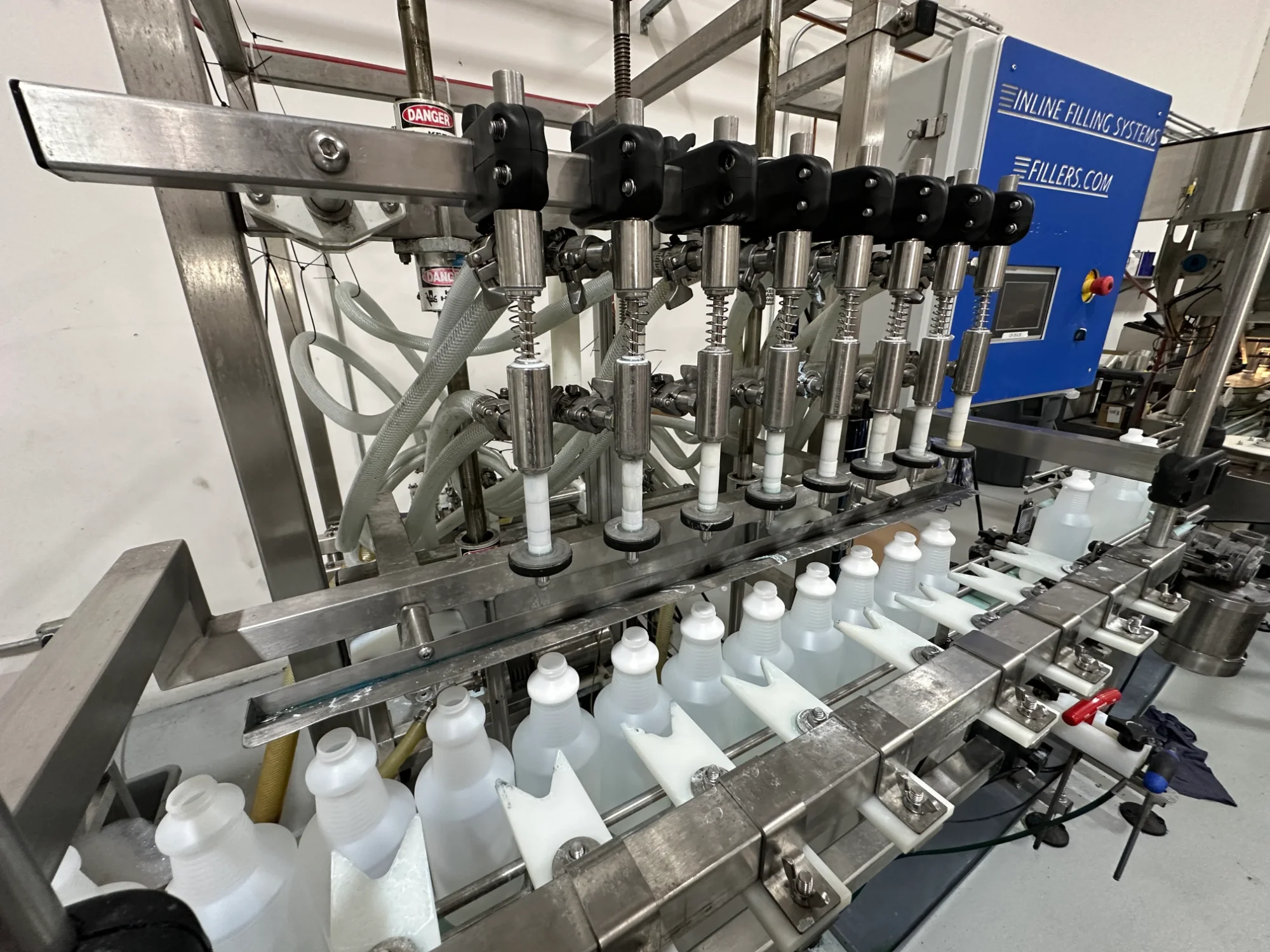
Once the formula is approved, the next steps may include raw-material sourcing, production instructions, a pilot or first batch, blending, filling, labeling, kitting and final pack-out. Keeping those steps connected makes it easier to identify scale-up issues before they become launch delays.
Custom Formulation FAQs
Do I need to know the ingredients before I contact Impackt?
No. A good starting point is the product concept, intended use, performance requirements, target customer and package. The formulation team can determine what additional information is needed.
Can you work with an existing formula?
Yes. If you own or control an existing formula, it can be reviewed as part of a manufacturing-transfer or refinement project.
Who owns the formula?
Ownership depends on the project and the development agreement. The exact policy is stated in the proposal and in any NDA or development documents rather than assumed from website copy.
Can you make a sample before production?
Custom formulation typically includes a sampling and refinement stage. The exact process, fees and timing are confirmed for the individual project.
What happens after the formula is approved?
The project can move into scale-up, blending, filling, labeling, kitting and other manufacturing steps appropriate to the finished product.