Chemical Blending Services for Non-Food Products
Flexible Chemical Blending from 5 to 1,000 Gallons
The published batch range runs from 5 to 1,000 gallons. That flexibility lets a brand discuss smaller production needs, repeat orders and larger programs with the same manufacturing partner instead of changing suppliers as the business grows.
Blending can be part of a complete contract manufacturing program or a focused production step. Customers may bring an established formula, use a formula selected for a private-label program, or develop a new formula with Impackt before moving into production.
Blending Starts with the Formula and the Process
A formula is more than a list of ingredients. Production depends on the sequence of addition, mixing conditions, batch size, water quality, material handling and other process variables that affect repeatability.
Before a new product is scheduled, we review the formula and determine the manufacturing requirements that need to be documented for production. For customer-owned formulas, the goal is to transfer the process faithfully while protecting confidential information. For newly developed products, formulation and production work together so a lab-scale product translates into a repeatable manufacturing batch.
Water and Raw Material Considerations
DI or Purified Water
Raw Materials
Customer-Supplied Material
From Small Runs to Larger Production
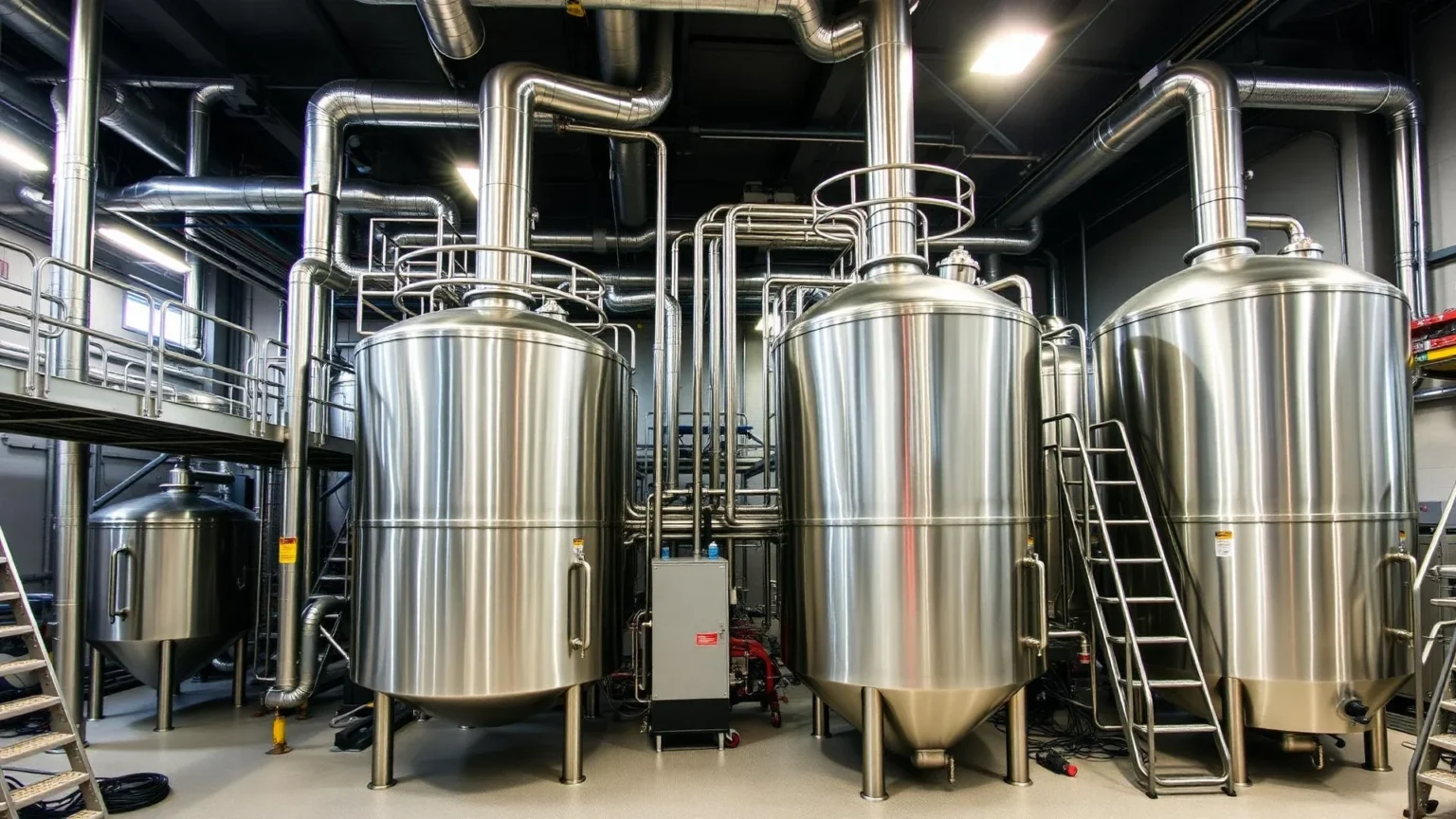
The 5-to-1,000-gallon published range creates a useful production story for brands that do not fit neatly into very large manufacturing plants. The actual economic minimum for a project depends on the formula, cleanup requirements, fill size, packaging and production setup — not just the tank size.
That is why we do not advertise a universal minimum batch. The right answer comes from the product and the program, and it is worth a conversation before the first run is scheduled.
Blending and Filling Under One Roof
One of the strongest reasons to combine blending and filling with the same manufacturer is continuity. The product does not need to move to another vendor after the batch is complete. Once the batch meets the agreed production requirements, it moves into the appropriate filling process for bottles, jugs, pails, drums or other confirmed formats.
That reduces logistical handoffs and lets the package requirements be considered earlier in the project. It also makes it easier to coordinate filling, capping, induction sealing, labeling, coding and final pack-out.
Industries That Use Contract Blending
Blending supports a range of non-food markets: janitorial and commercial cleaning, car wash, automotive and detailing, household cleaning, appliance and coffee-equipment care, pool and spa, hospitality, marine and other specialty applications.
Each project still requires a fit review. Formula chemistry, regulatory status, material compatibility and plant capabilities determine whether a product belongs in the facility.
Quality and Batch Repeatability
For brand owners, the objective is not simply to make a batch — it is to make the next batch the same way. Production controls cover raw-material review, batch records, in-process checks and finished-product review before release.
Chemical Blending FAQs
Can I bring my own formula for blending?
Yes. We work with confidential customer formulas and are willing to sign nondisclosure agreements. The team reviews the formula, process and materials before production.
Can Impackt develop the formula too?
Yes. Custom formulation is a core service. A formulation project can be developed and refined, then transferred into blending and filling when the product is ready for production.
What batch sizes can you blend?
The published range is 5 to 1,000 gallons for liquids. The practical minimum and appropriate tank depend on the product and the full production program.
Do you offer toll blending?
Yes — when a customer provides or controls the formula and needs a manufacturing partner. The raw-material sourcing and customer-supplied-material model is confirmed during project review.
Can blending be combined with filling and labeling?
Yes. Published capabilities include blending, filling, capping, induction sealing, label application and batch-code printing, so many projects stay with one partner through final pack-out.